
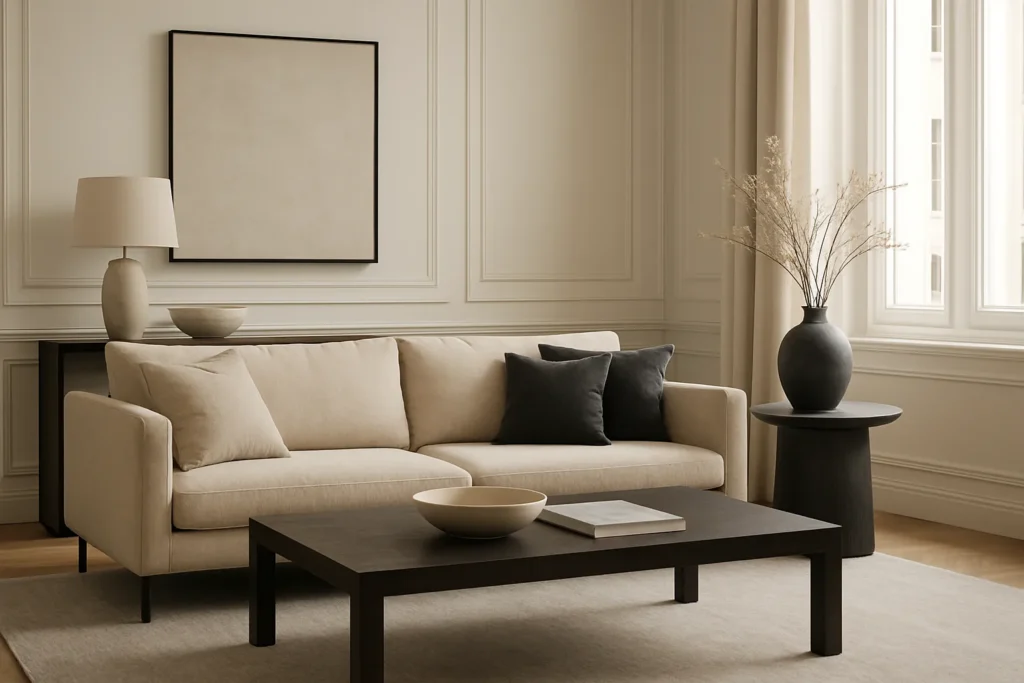
Creating a High-End Home Decor Experience with Custom Styles in Home Décor
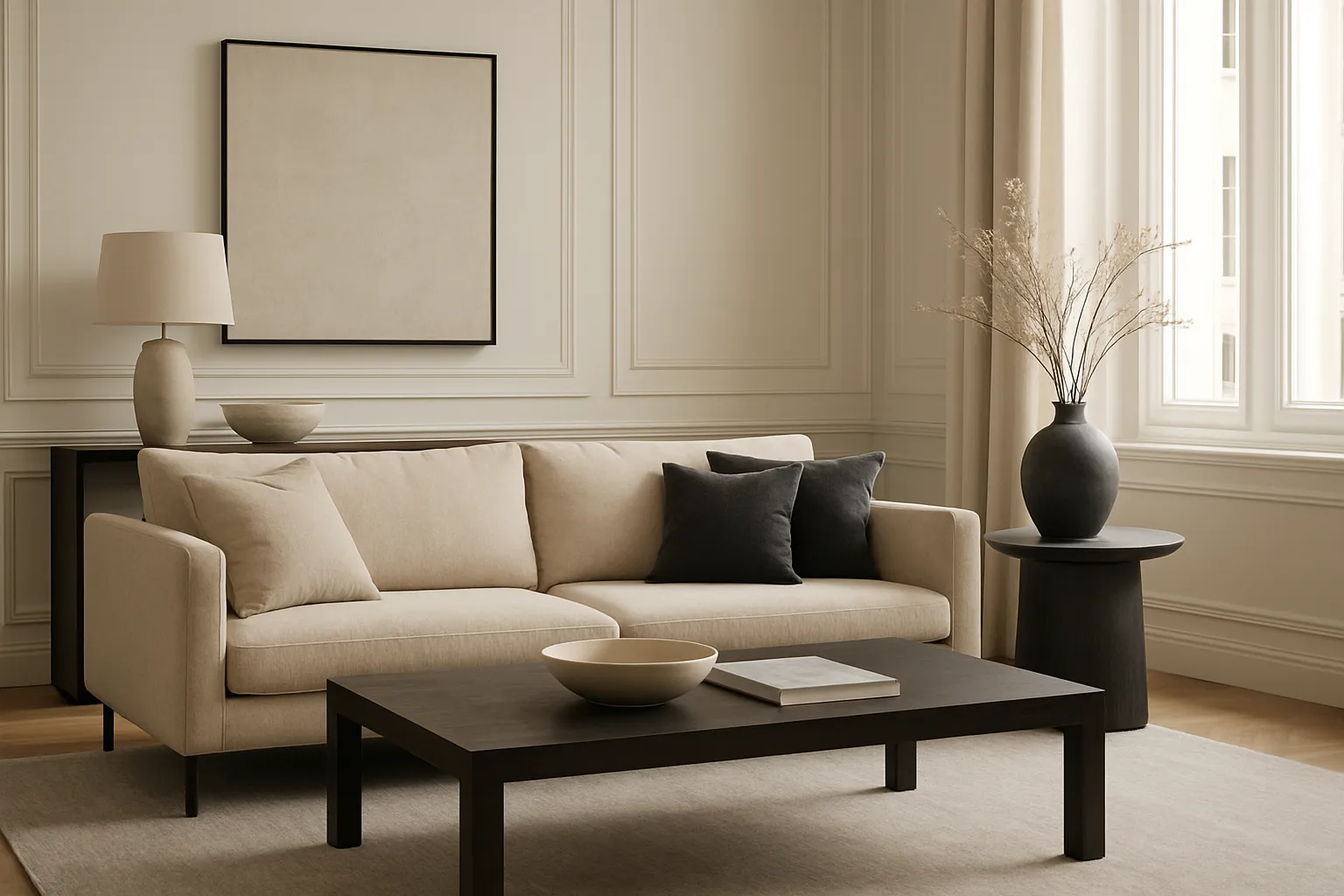
High-end home décor represents a sophisticated segment of the interior design market, characterized by luxurious materials, exclusive designs, and meticulous craftsmanship. This niche appeals to discerning consumers who seek to create a unique and personalized living environment that reflects their individual tastes and lifestyles. In my experience, the importance of custom styles in home décor cannot be overstated. Customization allows retailers to offer tailored solutions that resonate with their clientele, significantly enhancing customer satisfaction and loyalty.
Understanding Custom Styles
Custom styles in home décor refer to personalized design elements that cater to individual preferences, allowing consumers to express their unique identities through their living spaces.
Characteristics of Custom Styles
Typically, custom styles include bespoke furniture, personalized color palettes, and tailored fabrics. These products are designed to meet specific customer requirements, ensuring that each piece is not only functional but also a true reflection of the homeowner’s personality.
Benefits of Customization for Retailers
For retailers, offering custom styles presents a significant opportunity to differentiate themselves from competitors. Customization can lead to higher profit margins, as consumers are often willing to pay a premium for personalized products. Furthermore, it fosters deeper customer relationships, as clients feel more connected to brands that cater specifically to their needs.
Market Trends in High-End Home Décor
The high-end home décor market is continuously evolving, influenced by changing consumer preferences and lifestyle trends.
Current Trends in Custom Styles
Recent trends indicate a growing demand for sustainable and ethically sourced materials in custom styles. Eco-conscious consumers are increasingly looking for products that not only enhance their homes but also reflect their values. From what I have seen, there is also a rise in the popularity of multifunctional furniture that caters to modern living spaces, particularly in urban environments.
Consumer Preferences and Expectations
Today’s consumers expect a high level of service and personalization. They are increasingly researching and engaging with brands online before making a purchase, seeking out detailed information about customization options. Retailers must adapt to these expectations by providing comprehensive online platforms that showcase their custom offerings, such as those found at Zhejiang Wanyang Arts and Crafts Co., Ltd..
Sourcing Custom Styles for Retail
To successfully implement custom styles in home retail, it is crucial to identify reliable suppliers and evaluate the quality of their offerings.
Identifying Reliable Suppliers
Retailers should establish partnerships with manufacturers and artisans who specialize in high-end home décor. This involves researching potential suppliers’ reputations, visiting their production facilities, and assessing their ability to meet customization demands.
Evaluating Quality and Craftsmanship
Quality is paramount in high-end home décor. Retailers need to ensure that the materials used are durable and aesthetically pleasing. Conducting thorough quality checks and requesting samples can help retailers maintain high standards and build trust with their customers.
Implementing Custom Styles in Retail Spaces
Creating an engaging retail environment that showcases custom styles is essential for attracting customers.
Designing a Customizable Retail Experience
Retail spaces should be designed to highlight the customization process. Interactive displays, virtual design tools, and personalized consultations can enhance the shopping experience. Allowing customers to visualize their customizations in real-time can significantly influence their purchasing decisions.
Staff Training for Customization Sales
Equipping staff with the knowledge and skills to assist customers in the customization process is vital. Training programs should focus on product knowledge, design principles, and effective communication skills to ensure that employees can guide clients through their choices confidently.
Use Cases of Custom Styles in Home Décor
Real-world applications of custom styles can provide valuable insights for retailers.
Successful Case Studies
Several high-end home décor brands have successfully integrated custom styles into their offerings. For instance, a luxury furniture retailer introduced a bespoke line that allowed customers to select dimensions, fabrics, and finishes, resulting in a significant increase in sales and customer satisfaction.
Applications in Different Retail Environments
From boutique showrooms to online platforms, custom styles can be effectively showcased across various retail environments. Each setting offers unique opportunities for engagement, whether through in-person consultations or virtual design services.
Comparing Custom Styles with Standard Offerings
Understanding the differences between custom styles and standard offerings can help retailers make informed decisions.
Advantages of Custom Styles
Custom styles provide a unique selling proposition that standard offerings cannot match. They allow for greater creativity, personalization, and customer engagement, which can lead to increased brand loyalty and repeat business.
Disadvantages and Challenges
However, customization can also present challenges. It often requires a more complex supply chain, longer lead times, and higher production costs. Retailers must weigh these factors against the potential benefits to determine the best approach for their business.
Frequently Asked Questions
Retailers frequently inquire about the feasibility of offering custom styles, the expected return on investment, and how to effectively market these options to consumers.
Addressing Concerns of Retailers
To alleviate concerns, it is crucial for retailers to conduct market research and gather customer feedback. Understanding the demand for custom styles and effectively communicating the value proposition can help in addressing potential hesitations.
Conclusion
In the high-end home décor market, the integration of custom styles is not just a trend but a necessity for retailers aiming to thrive in a competitive environment. By understanding the significance of customization, keeping abreast of market trends, and implementing effective strategies, retailers can create a unique shopping experience that resonates with consumers. As the demand for personalized products continues to grow, embracing custom styles will position retailers for success in the evolving landscape of home retail.