
Custom Craft Manufacturing in Wholesale Home Decor: A Comprehensive Guide
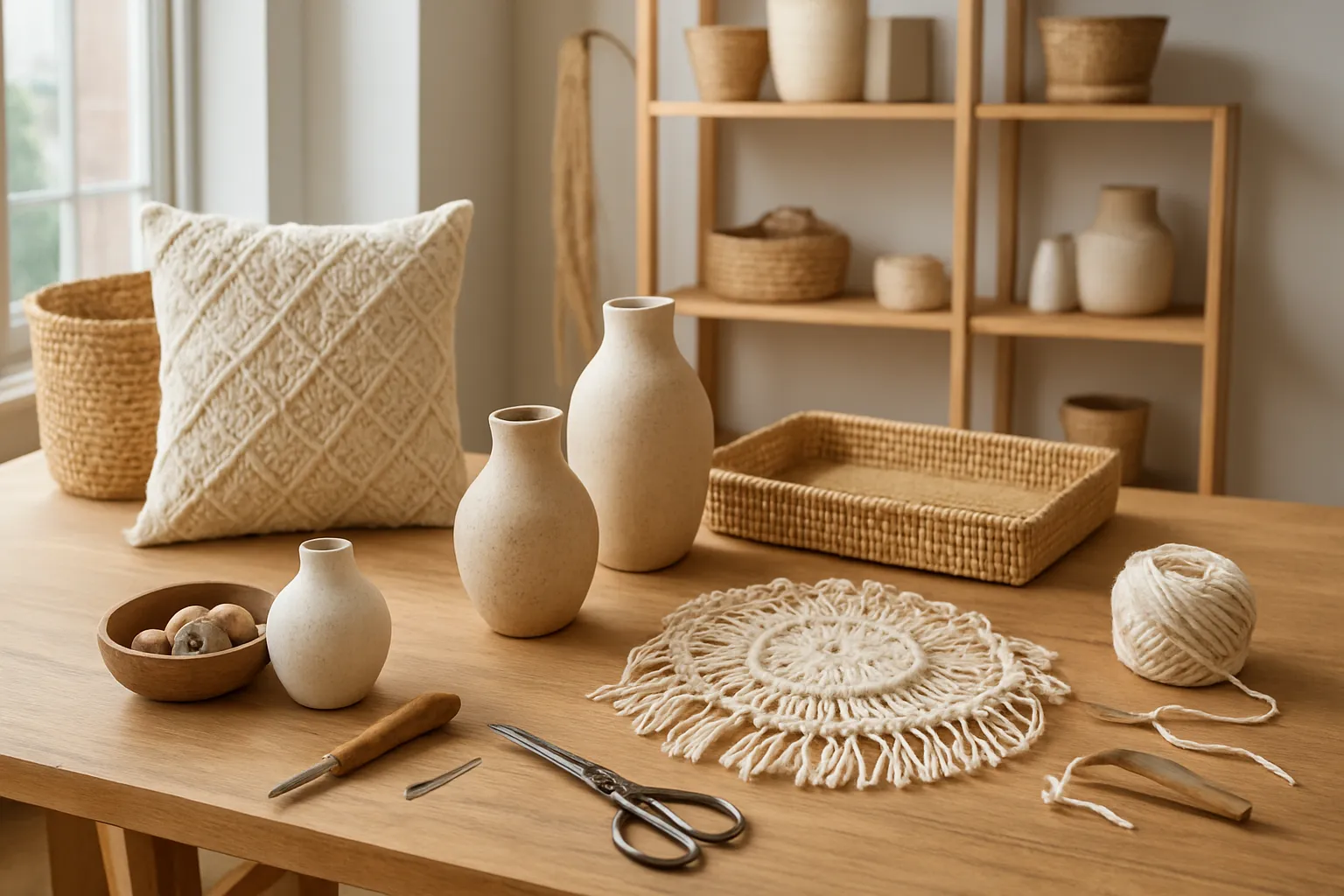
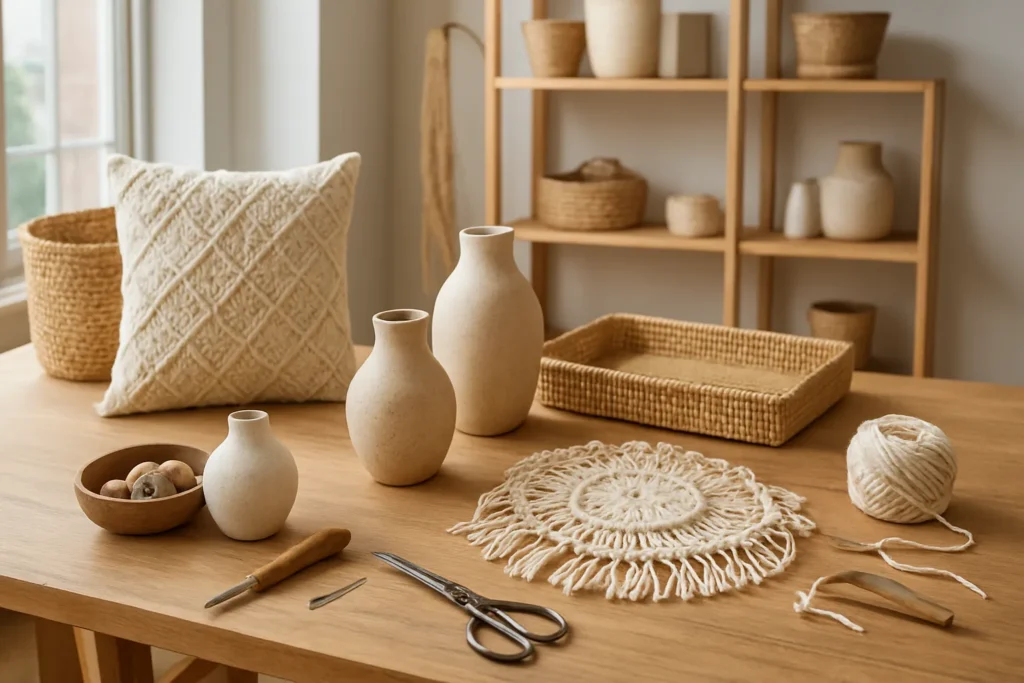
Custom craft manufacturing refers to the process of creating unique, handcrafted products tailored to specific client needs and preferences. This method is particularly significant in the wholesale home decor sector, where the demand for distinctive and personalized items is on the rise. As consumers increasingly seek individuality in their home spaces, businesses must adapt by offering unique product lines that stand out in a competitive market. Custom crafts not only meet this demand but also provide an opportunity for brands to differentiate themselves and build lasting relationships with their customers.
Key Benefits of Custom Crafts for B2B Buyers
One of the primary advantages of custom crafts for B2B buyers in the wholesale home decor industry is the ability to offer unique product offerings. Unlike mass-produced items, custom crafts can be designed to reflect current trends, seasonal themes, or specific customer preferences, ensuring that retailers have something special to attract consumers.
Additionally, custom crafts enhance brand identity. Businesses can create products that align closely with their brand values and aesthetics, fostering a stronger connection with their target audience. This tailored approach not only increases customer loyalty but also enhances the overall perception of the brand in the marketplace.
Flexibility in design is another significant benefit. Custom craft manufacturing allows for adjustments in design, materials, and sizes, enabling businesses to respond quickly to market changes and consumer demands. This adaptability can be crucial for maintaining a competitive edge in the fast-paced home decor industry.
Specifications to Consider
When engaging in custom craft manufacturing, several specifications must be considered to ensure the quality and appeal of the final products.
- Material Options: The materials chosen play a crucial role in the overall aesthetic and durability of home decor items. From sustainable materials to luxurious finishes, selecting the right materials can significantly impact customer satisfaction. For more insights on choosing the best decorative items, check out our guide on craft supplies for artisans.
- Production Techniques: Techniques such as hand-painting, laser-cutting, or artisanal weaving can add unique characteristics to products that mass production simply cannot replicate.
- Quality Control Standards: Establishing quality control standards is essential to maintaining consistency and ensuring that every item meets the expected quality benchmarks. Implementing rigorous quality control processes can help prevent defects and enhance customer trust.
Use Cases for Custom Crafts in Home Decor
Custom crafts can be effectively utilized across various platforms in the home decor market.
- Retail Store Applications: Unique displays and seasonal items can attract foot traffic and enhance the shopping experience. Custom pieces can create focal points that draw attention and encourage purchases.
- E-commerce Platforms: The appeal of unique, customizable products can significantly boost online sales. Offering personalized options allows consumers to feel more engaged and invested in their purchases.
- Event and Seasonal Decor: This presents a prime opportunity for custom crafts. Businesses can create limited-edition items for holidays or special occasions, tapping into seasonal trends and encouraging repeat purchases from customers looking to refresh their decor.
Comparing Custom Craft Manufacturing to Mass Production
When considering custom craft manufacturing versus mass production, several factors come into play.
- Cost Analysis: While custom crafts may have higher upfront costs due to labor and material expenses, the potential for higher margins on unique products can offset these costs in the long run.
- Lead Times: Custom crafts often require longer lead times because of the intricacies of design and production, while mass production can yield faster turnaround times. However, the unique selling proposition of custom crafts can justify the wait for many consumers.
- Customization Capabilities: Custom crafts allow for a high degree of personalization, enabling businesses to cater to niche markets and specific customer requests, unlike mass-produced items.
Sourcing Custom Craft Manufacturers
Finding reliable suppliers is essential for businesses looking to incorporate custom crafts into their product lines. Conducting thorough research and leveraging industry connections can help identify reputable manufacturers with a proven track record.
- Evaluating Manufacturer Portfolios: This is crucial in assessing the quality and range of products offered. Reviewing past work can provide insights into a manufacturer’s capabilities and creative style, ensuring alignment with your brand vision.
- Negotiating Terms and Pricing: Establishing clear communication regarding pricing, minimum order quantities, and delivery timelines can help foster a positive working relationship and ensure a smooth production process.
Implementation Strategies
Successfully integrating custom crafts into existing product lines requires strategic planning.
- Integrating Custom Crafts into Existing Lines: This can be achieved by identifying complementary products and creating cohesive collections that appeal to your target market.
- Managing Inventory and Logistics: This is vital to ensure that custom products are readily available without overextending resources. Implementing efficient inventory management systems can help businesses keep track of stock levels and reorder points.
- Marketing Custom Products Effectively: Highlighting the uniqueness and craftsmanship of custom items through targeted marketing campaigns can attract customers and differentiate your brand in the crowded home decor market.
Frequently Asked Questions
What is the typical turnaround time? Turnaround times for custom crafts can vary widely based on the complexity of the design and the manufacturer’s capacity, but they typically range from a few weeks to several months.
How to handle minimum order quantities? Many custom manufacturers have minimum order requirements, which can be managed by consolidating orders or partnering with other businesses to meet these thresholds.
What are the common challenges in custom craft manufacturing? Challenges can include maintaining quality control, managing lead times, and effectively communicating design specifications. However, with careful planning and collaboration with manufacturers, these challenges can often be mitigated.
Conclusion
In conclusion, custom craft manufacturing offers significant advantages for businesses in the wholesale home decor sector. By providing unique product offerings, enhancing brand identity, and allowing for design flexibility, custom crafts can help businesses stand out in a competitive landscape. As the demand for personalized home decor continues to grow, investing in custom craft manufacturing may be a strategic move for wholesale buyers looking to elevate their product lines and meet consumer expectations.