
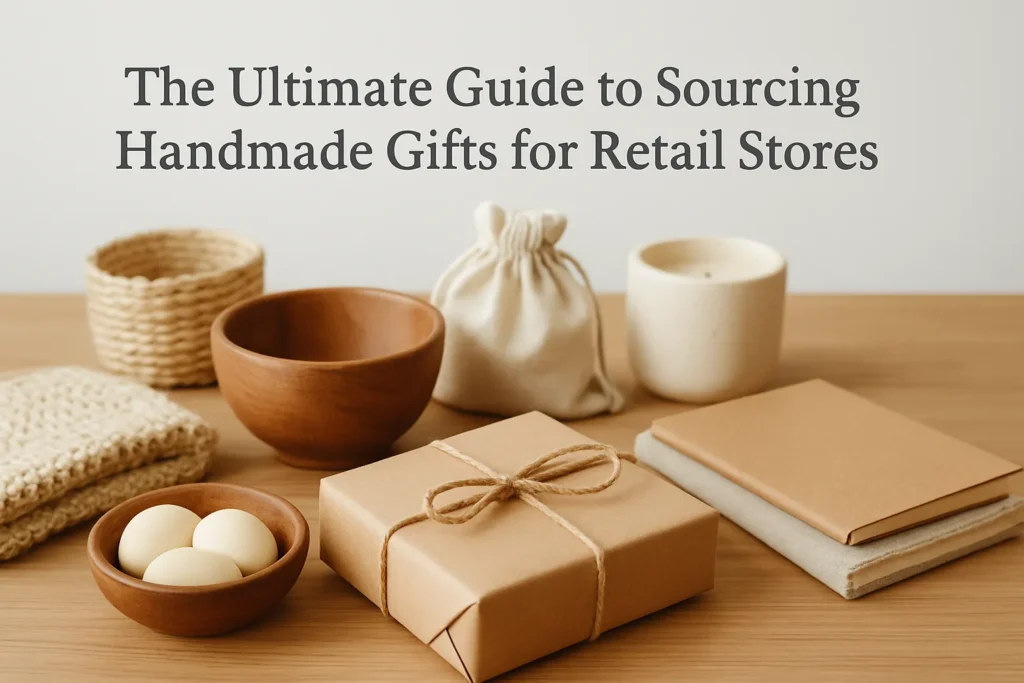
The Ultimate Guide to Sourcing Handmade Gifts for Retail Stores
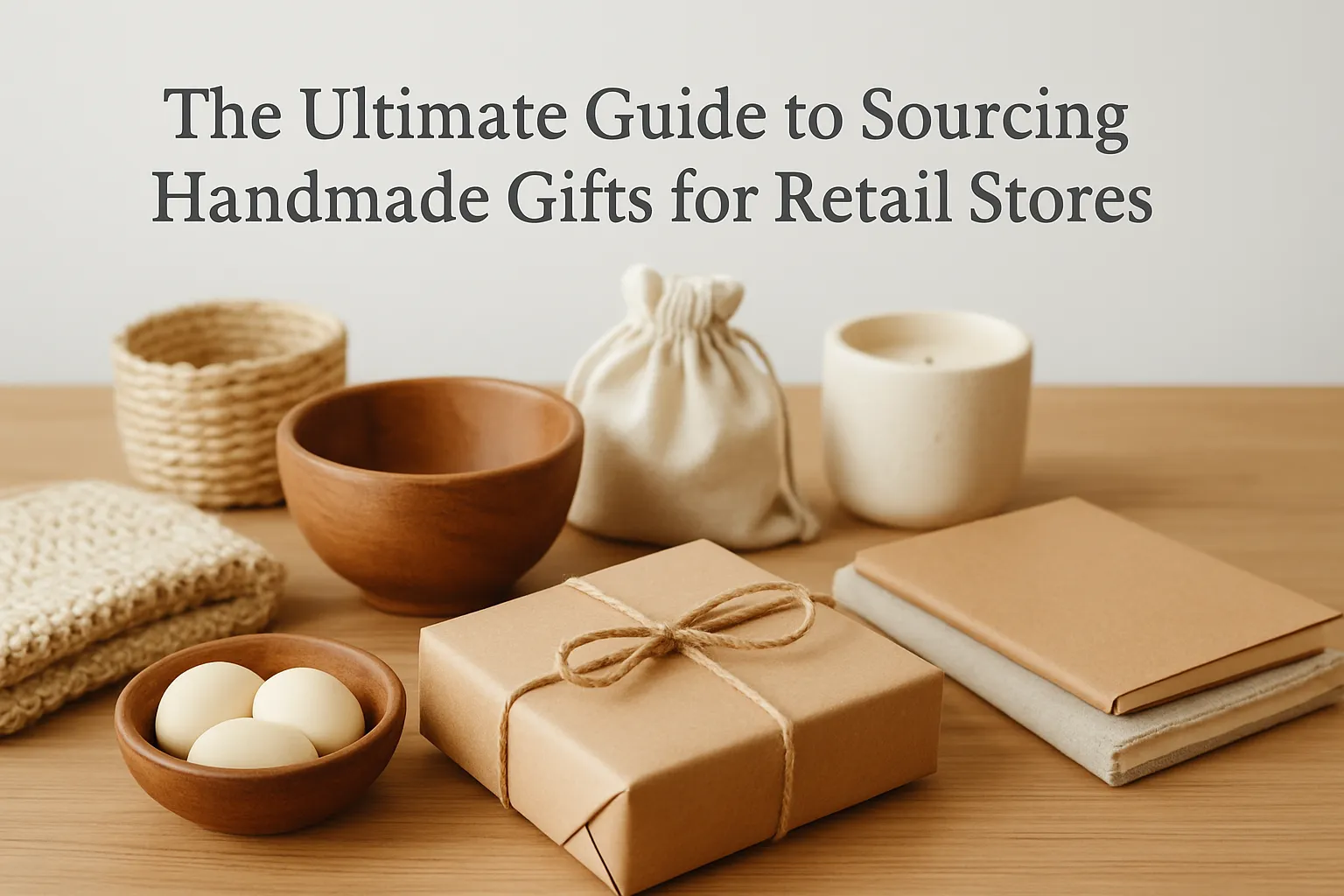
Gift items encompass a wide array of products specifically designed to be given as presents on various occasions, including birthdays, holidays, weddings, and anniversaries. These items can range from simple trinkets to elaborate keepsakes, often carrying sentimental value. In the retail space, gift items play a crucial role in driving sales, especially during peak gifting seasons.
Understanding Gift Items
Importance of Unique Offerings
In today’s competitive market, offering unique gift items can set your retail store apart from the rest. From my experience, customers are always on the lookout for distinctive products that reflect their personal tastes and values. Unique offerings not only enhance the shopping experience but also foster customer loyalty, as consumers are more likely to return to a store that provides something special.
Trends in Gift Items
Current trends in gift items include personalized gifts, eco-friendly products, and experiential gifts that offer memorable experiences rather than just physical items. Retailers should stay informed about these trends to align their inventory with consumer preferences and maximize sales opportunities.
The Appeal of Handmade Gifts
Benefits of Handmade Products
Handmade gifts are often perceived as more thoughtful and meaningful compared to mass-produced items. They typically feature unique designs, high-quality materials, and the personal touch of artisans. This craftsmanship adds value, making handmade products desirable for consumers seeking authenticity. For a range of quality handmade products, consider exploring our product offerings.
Consumer Preferences for Handmade Items
Research indicates that many consumers prefer handmade gifts due to their perceived uniqueness and quality. Shoppers are increasingly inclined to support local artisans and businesses, viewing their purchases as a way to contribute to the community. This trend is particularly strong among younger generations, who prioritize sustainability and ethical consumption.
Craftsmanship and Quality
The craftsmanship involved in creating handmade gifts often results in superior quality compared to mass-produced items. Artisans take great care in their work, ensuring that each piece meets high standards. In my view, this attention to detail not only enhances the product’s appeal but also builds trust with consumers who value quality.
Sourcing Handmade Gifts
Identifying Reliable Suppliers
Finding reliable suppliers is crucial for sourcing handmade gifts. Retailers should seek artisans who have a proven track record of quality and reliability. Attending craft fairs, artisan markets, and trade shows can provide valuable networking opportunities and help retailers discover new suppliers.
Evaluating Product Quality
When sourcing handmade gifts, evaluating product quality is essential. Retailers should request samples and assess factors such as material durability, craftsmanship, and overall design. Establishing a quality standard will ensure that the products align with the retailer’s brand and customer expectations.
Negotiating Terms and Pricing
Negotiating terms and pricing with suppliers can significantly impact profitability. Retailers should aim for fair pricing that reflects the quality of the handmade gifts while also considering their own margin needs. Clear communication about order quantities, delivery timelines, and payment terms can help establish a fruitful partnership.
Use Cases for Handmade Gifts in Retail
Seasonal Promotions
Handmade gifts are ideal for seasonal promotions, particularly during holidays like Christmas, Valentine’s Day, and Mother’s Day. Retailers can curate special collections that highlight seasonal themes, attracting customers looking for unique presents during peak shopping times.
Gift Bundling Ideas
Creating gift bundles that include a selection of handmade items can enhance perceived value and encourage larger purchases. For example, pairing a handmade candle with artisanal soaps or a handcrafted mug with gourmet coffee can create attractive gift options that appeal to consumers.
Targeting Specific Customer Segments
Retailers can effectively target specific customer segments by offering handmade gifts that resonate with their interests. For instance, eco-conscious consumers may appreciate sustainable handmade products, while those interested in local culture might be drawn to items that reflect regional craftsmanship.
Comparing Handmade Gifts to Mass-Produced Items
Price Point Analysis
While handmade gifts often come at a higher price point than mass-produced items, consumers are willing to pay a premium for quality and uniqueness. Retailers should carefully analyze their pricing strategy to ensure that it reflects the value of handmade products while remaining competitive.
Quality and Uniqueness
Handmade gifts typically offer superior quality and uniqueness compared to mass-produced alternatives. Retailers can leverage this distinction in their marketing efforts, emphasizing the craftsmanship and individuality of their handmade offerings to attract discerning customers.
Customer Experience and Satisfaction
The customer experience associated with purchasing handmade gifts is often more personalized and engaging. Retailers can enhance this experience by sharing the stories behind the products and the artisans who create them, fostering a deeper connection between the consumer and the product.
Implementing Handmade Gifts in Your Store
Display Strategies
Effective display strategies are crucial for showcasing handmade gifts in retail settings. Utilizing attractive displays that highlight the uniqueness of each item can draw in customers. I believe that using natural materials, such as wood or fabric, can create an inviting atmosphere that complements the handmade aesthetic.
Marketing Handmade Products
Marketing handmade gifts requires a tailored approach that emphasizes their unique qualities. Utilize social media, email marketing, and in-store promotions to share the stories behind the products and connect with your audience. Highlighting customer testimonials and showcasing artisans can also enhance credibility and appeal.
Training Staff on Product Knowledge
Equipping staff with knowledge about the handmade gifts in your store is essential for delivering exceptional customer service. Staff should be able to articulate the story behind each product, including information about the artisans and the materials used. This knowledge can enhance the shopping experience and encourage sales.
FAQs About Sourcing Handmade Gifts
Common Concerns from Retailers
Retailers often have concerns about sourcing handmade gifts, including issues related to quality control, supply chain reliability, and pricing. Addressing these concerns through thorough research and establishing clear communication with suppliers can help mitigate risks.
Legal Considerations in Sourcing
When sourcing handmade gifts, retailers should be aware of legal considerations, such as copyright and trademark issues. Ensuring that products do not infringe on intellectual property rights is crucial for avoiding legal complications.
Tips for First-Time Buyers
For retailers new to sourcing handmade gifts, starting small can help ease the process. Begin by selecting a few key items and gradually expanding your offerings as you become more familiar with the market. Building relationships with artisans and suppliers can also lead to better pricing and exclusive products over time.
Conclusion
Sourcing handmade gifts for your retail store can significantly enhance your product offerings and attract a dedicated customer base. By understanding the appeal of handmade items, evaluating suppliers, and implementing effective marketing strategies, retailers can successfully tap into the growing demand for unique gift items. As consumers continue to seek authenticity and quality, embracing handmade gifts will not only differentiate your store but also foster lasting customer relationships.
For more tips on retail strategies, check out our Retail Strategies and Unique Gifts pages.
Explore more about handmade gifts and retail trends for better insights.